
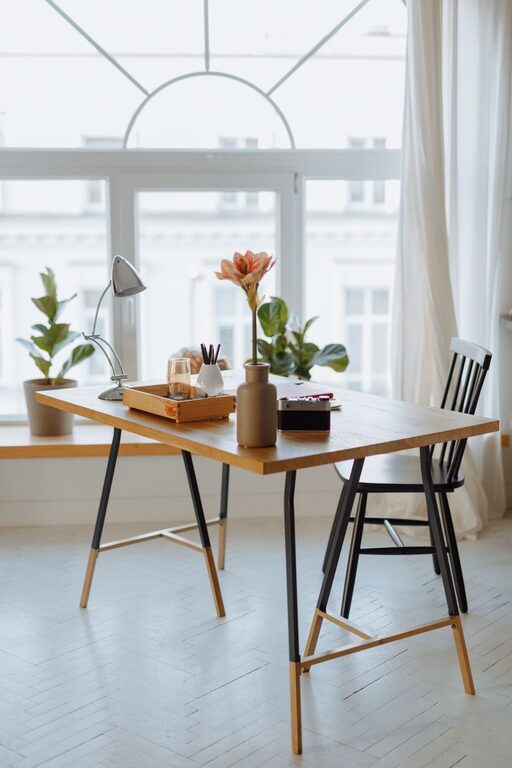
Creating a relaxing home workspace environment is essential for maintaining focus, reducing stress, and boosting productivity. Whether you work remotely full-time or occasionally need a quiet spot at home, setting up a comfortable and peaceful workspace can make a big difference in your day-to-day experience. Here are some thoughtful tips to help you design a home office that promotes relaxation and efficiency.
Choose the Right Location
The first step to creating a relaxing workspace is picking the ideal spot. Ideally, choose a quiet corner or a separate room where you can minimize distractions. If space is limited, consider using room dividers or screens to carve out a dedicated area. Good natural light and fresh air can also enhance the sense of calm.
Consider Noise Levels
Evaluate the noise levels in your home. If you’re in a busy household, try to set up your workspace away from high-traffic areas like the kitchen or living room. Alternatively, noise-canceling headphones or soft background music can help you stay focused.
Invest in Comfortable Furniture
Comfort is key to relaxation and productivity. Select ergonomic furniture that supports good posture and reduces strain during long work hours.
– Chair: Choose a chair with adjustable height, lumbar support, and cushioned seating.
– Desk: Opt for a desk at the right height that fits your working style. Adjustable desks that let you alternate between sitting and standing are also a great choice.
– Accessories: Use footrests or wrist supports to add extra comfort and prevent fatigue.
Optimize Lighting
Lighting plays a major role in how you feel in a space. Whenever possible, use natural light to brighten your workspace. Position your desk near windows to take advantage of daylight.
If natural light isn’t sufficient or available, invest in good-quality task lighting. Adjustable desk lamps that reduce shadows and glare can help prevent eye strain. Warm-toned bulbs tend to create a more relaxing atmosphere compared to harsh, cool lighting.
Keep It Organized and Clutter-Free
A messy workspace can add to stress and reduce focus. Maintaining an organized area helps your mind feel calm and keeps you productive.
– Use storage solutions like drawers, shelves, and organizers to keep supplies tidy.
– Only keep essentials on your desk to reduce visual clutter.
– Regularly clean and declutter your space to maintain a fresh, inviting environment.
Personalize Your Workspace
Adding personality to your workspace makes it feel welcoming and comfortable. Include elements that inspire and uplift you without being distracting.
– Add plants for a touch of greenery and improved air quality.
– Hang artwork or photos that make you smile.
– Choose décor in calming colors like soft blues, greens, or neutrals to promote relaxation.
Incorporate Calming Scents and Sounds
Scent and sound can significantly impact your mood. Consider using soothing essential oils or candles with scents like lavender or eucalyptus to create a tranquil atmosphere.
In terms of sound, some people find white noise or nature sounds helpful for concentration. There are many apps and playlists designed to provide relaxing background audio that can block out distractions.
Take Breaks and Move Around
No workspace can stay relaxing if you’re sitting still for hours. Schedule regular breaks to stretch, move your body, and rest your eyes. Even short breaks can reduce fatigue and help you maintain a calm mindset.
Setting reminders or using time management techniques like the Pomodoro method can encourage healthy work-rest cycles.
Maintain Good Air Quality
Fresh air contributes to a comfortable environment. If possible, open windows regularly to let in fresh air. An air purifier can help reduce dust and allergens, especially in smaller or less ventilated spaces.
Use Technology Wisely
Technology can both help and hinder relaxation. Organize your digital workspace by decluttering your computer’s desktop and using productivity tools to manage tasks efficiently.
Try to limit notifications and distractions during focused work time. Apps that block disruptive websites or mute non-essential alerts can create a more peaceful digital environment.
Final Thoughts
Creating a relaxing home workspace environment is about balancing function and comfort. By carefully choosing your location, investing in ergonomic furniture, optimizing lighting, decluttering, and personalizing your space, you’ll create a setting that invites focus and calm. Remember that small changes—like adding plants, managing noise, and taking breaks—can have a big impact on how you feel. Start with a few of these tips and adjust your workspace as needed to find the perfect balance for your needs. A peaceful workspace will support both your productivity and wellbeing, making work-from-home days more enjoyable and effective.